

The Indian Ocean islands are capturing increasing attention from global real estate investors in 2026. Their unique blend of natural beauty, growing tourism sectors, and evolving economic landscapes make them compelling destinations for capital deployment. Among these, Zanzibar and Mauritius stand out as two of the best African island investment opportunities, each presenting a distinct real estate profile.
This article offers a detailed 2026 real estate comparison between these islands. It aims to provide you with a clear understanding of:
- Risk factors associated with each market
- Expected returns on investment including rental yields and capital appreciation
- Entry costs and property pricing structures
- Lifestyle considerations tied to residency pathways and local amenities
By breaking down the nuances of each island’s property market, this island real estate comparison empowers you to decide where your real estate dollar will work hardest in 2026. Whether your focus is growth potential or secure wealth preservation, Zanzibar and Mauritius offer divergent yet equally promising avenues for investment in the Indian Ocean region.
Comparison of Tourism Growth & Market Demand
The tourism property market in Zanzibar has seen significant growth, with a notable increase in the number of visitors. In July 2025 alone, the island welcomed over 106,000 tourists, reflecting a striking 55% year-on-year increase. This rapid growth fuels an escalating demand for short-term rentals, especially in popular coastal areas like Paje and Nungwi, where beachfront villas and apartments attract holidaymakers seeking authentic Indian Ocean experiences.
On the other hand, Mauritius has a different story when it comes to tourism growth. The island has a more established and steady flow of visitors, benefiting from decades of international recognition as a luxury travel destination. Annual arrivals remain stable, supporting consistent occupancy rates across hotels and private rental properties. This steadiness appeals to investors looking for reliable rental income without the fluctuations seen in emerging markets.
Impact of Tourism Growth on Short-Term Rentals
The growth of tourism directly affects the yields and demand for short-term rentals on both islands:
- Zanzibar’s increasing number of visitors leads to higher occupancy rates during peak seasons and more competition for quality accommodations. As a result, nightly rates and rental yields are expected to rise, making property investments attractive despite market volatility.
- Mauritius’ steady tourism base supports moderate but dependable rental returns. Properties in this region benefit from a well-established hospitality infrastructure and well-developed transport links, ensuring year-round demand from business travelers, honeymooners, and retirees.
Visitor Statistics: Zanzibar vs Mauritius
The visitor statistics for the Indian Ocean region clearly illustrate these trends. Zanzibar’s recent boom positions it as one of Africa’s fastest-growing tourism markets, while Mauritius continues to capitalize on its reputation as a premier resort destination with broad international appeal.
Short-Term Rental Demand Across Africa
The contrasting trends between Zanzibar and Mauritius also shape the demand for short-term rentals throughout Africa:
- Investors targeting high-growth areas may prefer Zanzibar due to its potential for double-digit rental yields driven by rapid tourism expansion.
- Those prioritizing stability will find that Mauritius offers lower risk through established market conditions and consistent occupancy patterns.
Both islands demonstrate how tourism development fundamentally influences real estate markets — either through rapid growth creating higher rewards at increased risk or through steady performance offering security with moderate gains.
Investment Entry Thresholds & Property Price Spectrum
Investing in Zanzibar property prices begins at a notably accessible level. For those entering the market, one-bedroom beachfront apartments start from approximately $75,000. These units offer direct access to some of the island’s most sought-after coastal areas such as Paje and Nungwi. Moving upmarket, luxury villas command prices exceeding $300,000, reflecting their premium locations and upscale amenities. This price spectrum presents opportunities for investors with varying budgets, ranging from entry-level holiday homes to high-end vacation residences.
In contrast, the Mauritius investment threshold is significantly higher. To qualify for residency through real estate investment, the minimum spend sits around $375,000, focused mainly on approved projects. Properties here predominantly fall within the mid-six figure range and above, targeting a luxury clientele. Mauritius’ market is characterized by established developments offering freehold ownership rights combined with sophisticated infrastructure and services tailored to affluent buyers.
Price points in both markets reveal their target investor profiles:
- Zanzibar appeals to buyers looking for affordable access to a fast-growing market with potential for strong rental returns.
- Mauritius caters to high-net-worth individuals prioritizing stability, legal security, and lifestyle benefits associated with mature luxury properties.
The difference in starting prices between Zanzibar’s beachfront apartments and Mauritius’ luxury villas underlines contrasting market dynamics. Zanzibar’s affordability attracts budget-conscious investors or those testing new markets with less capital exposure. Mauritius demands larger upfront investments but offers a more premium product aligned with wealth preservation strategies.
Beachfront apartments in Zanzibar provide a cost-effective way to enter the Indian Ocean real estate scene without sacrificing coastal appeal. Luxury villas costing over $300,000 deliver exclusivity and higher-end finishes but remain competitive compared to similar offerings elsewhere in Africa. Mauritius’ properties typically involve larger plots, more comprehensive amenities, and integration within gated communities designed for long-term residence or holiday use.
Understanding these price ranges helps clarify where your investment dollar stretches further depending on your objectives—whether it’s tapping into emerging rental demand or securing a prestigious residence in an established market.
Foreign Ownership Regulations & Legal Frameworks
Understanding the legal environment is crucial when investing in African island property law, especially comparing Zanzibar foreign ownership leasehold with Mauritius freehold ownership rules.
Zanzibar Leasehold System
- All land in Zanzibar is state-owned, meaning private freehold ownership is not available to foreigners.
- Investors acquire properties under a leasehold system, with leases granted for up to 99 years.
- The Zanzibar Investment Promotion Authority (ZIPA) oversees approvals and regulates foreign investments, ensuring compliance with local laws.
- Lease agreements are transferable but require ZIPA’s government approval for any assignment or sale, adding a layer of bureaucratic oversight.
- This system creates a long-term but conditional property tenure, where investors have use rights but do not own the land outright.
Mauritius Freehold Ownership
- Mauritius offers freehold ownership rights to foreign investors within designated investment schemes.
- Property ownership here is more straightforward — buyers hold title deeds granting full ownership rights without time limits.
- Structured schemes include government-approved projects where freehold properties qualify investors for residency permits.
- The minimum capital input is notably higher due to both property prices and eligibility requirements tied to these schemes.
- Freehold status enhances security over the asset and simplifies resale or transfer processes compared to leasehold arrangements.
Implications for Investors
|
Aspect |
Zanzibar Leasehold |
Mauritius Freehold |
|
Land Ownership |
State-owned; leasehold only |
Private freehold ownership |
|
Lease Duration |
Up to 99 years |
Perpetual ownership |
|
Government Approval Needed |
Required for lease transfers via ZIPA |
Minimal after initial purchase |
|
Residency Eligibility |
Available from $100,000 investment |
Starting from $375,000+ investment |
|
Investor Security |
Conditional tenure; subject to renewal and approval processes |
Secure, permanent ownership |
|
Transferability of Property |
Possible but regulated |
Flexible and straightforward |
Investors must weigh the trade-off between Zanzibar’s lower entry barriers paired with regulatory oversight versus Mauritius’ higher upfront costs coupled with stronger property rights. The leasehold framework in Zanzibar can introduce complexities in resale and long-term security but opens doors for those seeking affordable entry into an emerging market. Meanwhile, Mauritius’ freehold model suits investors prioritizing clear legal title and ease of asset management within a mature regulatory environment.
Navigating these contrasting frameworks requires careful consideration of your risk tolerance, investment horizon, and preferences around property control. Understanding these differences sharpens your ability to align real estate choices with your strategic goals in the Indian Ocean market.
Rental Yield Potential & Capital Appreciation Outlook
Zanzibar’s rental market offers some of the most attractive short-term rental yields in Africa. Investors typically see returns ranging between 10% and 20%, driven by several factors:
- Limited supply of high-quality rental properties creates strong demand pressure.
- The island’s rapidly growing tourism sector brings a consistent influx of visitors, especially in premium beach locations such as Paje and Nungwi.
- Rising popularity among international tourists ensures high occupancy rates during peak seasons.
Capital appreciation in Zanzibar is estimated at 10–15% annually in prime areas. This growth reflects ongoing infrastructure improvements, new resort developments, and the increasing appeal of the island as a luxury destination. The potential for significant value uplift attracts investors willing to accept some market volatility for higher rewards.
Mauritius presents a contrasting profile with more moderate but stable rental income figures. Typical short-term rental yields range from 4% to 6%. Stability comes from:
- A mature real estate market backed by solid infrastructure.
- Well-established tourism that supports consistent year-round occupancy.
- Government policies favoring wealth preservation through favorable tax frameworks and secure property rights.
Property values in Mauritius have demonstrated steady real growth, estimated at approximately 21% year-on-year as of 2024. This impressive appreciation rate is underpinned by sustained demand from high-net-worth individuals and robust economic fundamentals.
Risk and reward considerations:
|
Aspect |
Zanzibar |
Mauritius |
|
Rental Yield |
High (10–20%) |
Moderate (4–6%) |
|
Capital Appreciation |
Strong (10–15% annually) |
Steady (~21% YoY real growth) |
|
Market Volatility |
Higher due to emerging status |
Lower due to market maturity |
|
Investor Profile Suitability |
Growth-oriented, risk-tolerant |
Stability-focused, wealth preservers |
Investors targeting higher returns may find Zanzibar’s combination of elevated rental yields and capital appreciation appealing despite its relatively higher market volatility. Those prioritizing consistent income streams and asset stability often lean toward Mauritius’ established environment.
Both islands provide distinct opportunities within the Indian Ocean region’s real estate landscape. Your choice depends on balancing your appetite for risk against desired income levels and long-term growth expectations.
Residency Pathways Through Real Estate Investment
Residency programs linked to real estate investments have become a significant factor influencing investor decisions in the Indian Ocean islands. Both Zanzibar and Mauritius offer attractive pathways, yet they differ notably in terms of investment thresholds, property ownership structures, and residency benefits.
 Zanzibar Golden Visa Scheme
Zanzibar’s Golden Visa scheme allows foreign investors to obtain residency permits by purchasing property with a minimum investment starting at $100,000. The key characteristics include:
- Leasehold arrangements: Properties acquired under this scheme are typically on leasehold terms, with leases up to 99 years granted by the government through ZIPA (Zanzibar Investment Promotion Authority).
- Residency permit eligibility: Investors and their immediate family members can apply for residency permits as part of the property purchase.
- Flexibility: The program supports relatively quick processing times and offers flexibility for those aiming to establish a base in Zanzibar without the need for freehold ownership.
- Restrictions: The leasehold system means you do not own the land outright, which may raise concerns about long-term security or resale complexities.
This scheme appeals to investors seeking affordable entry points into African island residency programs while accessing a growing real estate market with promising rental yields.
Mauritius Golden Visa Real Estate Program
Mauritius presents a different model for real estate-linked residency, focusing on freehold ownership within approved schemes. Highlights include:
- Higher minimum investment: To qualify for residency through real estate investment, you must invest at least $375,000 in properties designated under government-approved projects.
- Freehold ownership: Unlike Zanzibar, Mauritius offers full freehold title ownership, increasing security and transferability of assets.
- Residency benefits: The program grants residency permits that allow investors and their families to live in Mauritius with options for work and education.
- Additional perks: Mauritius residency comes with access to established infrastructure, business-friendly environments, and no capital gains tax on property sales.
The higher threshold reflects Mauritius’ positioning as a premium luxury market catering mostly to high-net-worth individuals prioritizing legal clarity and lifestyle stability.
Comparing Benefits and Restrictions
|
Feature |
Zanzibar Golden Visa Scheme |
Mauritius Golden Visa Real Estate |
|
Minimum Investment |
$100,000 |
$375,000+ |
|
Property Ownership |
Leasehold (up to 99 years) |
Freehold within structured schemes |
|
Residency Permit Eligibility |
Investor + immediate family |
Investor + family; includes work & education rights |
|
Application Process |
Managed via ZIPA |
Government-approved real estate projects |
|
Legal Security |
Leasehold implies some transfer restrictions |
Full ownership increases security |
|
Lifestyle & Infrastructure |
Growing market with developing infrastructure |
Established luxury living with mature services |
|
Tax Advantages |
No specific tax incentives tied directly |
No capital gains tax; favorable fiscal regime |
The choice between these two depends on your priorities:
- If entry cost and speed of obtaining residency are important, Zanzibar’s scheme offers an accessible route with lower upfront capital but involves leasehold tenure.
- If legal title security, lifestyle quality, and long-term wealth preservation rank higher on your list—and you have a larger budget—Mauritius provides more robust protections and established amenities.
Both options represent leading examples of African island residency programs designed to attract foreign capital through strategic real estate investments. Your decision should weigh factors like budget constraints, desired level of legal control over the property, intended use of residency (full relocation vs. vacation home), and appetite for emerging versus mature markets.
Property Types & Popular Investment Locations Comparison
Zanzibar’s real estate market offers a diverse range of property types that cater to various investor preferences and budgets:
1. Resort Villas
These are popular among investors seeking vacation homes or high-end rental opportunities. Often located in prime beachfront areas, these villas provide direct access to the Indian Ocean and appeal to luxury travelers.
2. Boutique Hotels
Smaller-scale hospitality projects that offer personalized experiences for tourists. Investors in boutique hotels can capitalize on Zanzibar’s burgeoning tourism sector.
3. Apartments
Modern beachfront apartments, especially one-bedroom units priced from around $75,000, attract young professionals and smaller investor groups looking for affordable entry points.
4. Land Development Opportunities
Particularly within emerging zones like the Fumba development area, investors can purchase plots for future residential or commercial projects.
The main hotspots where these properties cluster include:
- Paje: Known for its white sandy beaches and kite surfing culture. Paje attracts both tourists and expatriates, making it a strong rental market.
- Nungwi: A vibrant village at the northern tip with well-established resorts and a lively atmosphere. Nungwi properties often command premium prices due to their location.
- Kendwa: Close to Nungwi but generally quieter, Kendwa offers beachfront villas and resorts with slightly lower price points.
- Fumba Development Zone: A newer area focusing on sustainable development and eco-friendly projects. It offers promising land investment opportunities as infrastructure improves.
In contrast, Mauritius’ real estate landscape is more concentrated on luxury condos and villas, characterized by:
- Established neighborhoods with mature infrastructure such as Grand Baie, Tamarin, and Black River.
- High-net-worth buyer appeal due to well-developed amenities including golf courses, marinas, international schools, and healthcare facilities.
- Properties that are often part of integrated resort complexes or gated communities targeting long-term residents and affluent tourists.
The maturity of locations significantly shapes investment profiles:
- Zanzibar’s coastal hotspots present higher volatility linked to ongoing infrastructure upgrades, seasonal tourism fluctuations, and evolving legal frameworks. This environment creates opportunities for higher capital appreciation but requires tolerance for occasional market shifts.
- Mauritius benefits from decades of stable urban planning and government support. Its mature markets provide steady growth with less pronounced price swings. Luxury condos here tend to hold value well through economic cycles.
Investors evaluating Zanzibar vs Mauritius real estate investment must consider how these differences impact their risk tolerance and growth expectations. Zanzibar’s variety in property types across emerging coastal hubs may suit those aiming for dynamic markets with potentially higher returns. Mauritius’ focus on luxury assets within established locations aligns more closely with conservative strategies emphasizing wealth preservation and lifestyle quality.
Summary Table: Risk & Reward Profiles of Zanzibar vs. Mauritius Real Estate Investment
The following island real estate comparison table Africa highlights critical factors shaping investment decisions between Zanzibar and Mauritius. This investment risk reward analysis Indian Ocean islands distills complex market dynamics into clear, practical insights to guide your real estate strategy in 2026.
|
Investment Aspect |
Zanzibar |
Mauritius |
|
Entry Investment Threshold |
Starting around $75,000 for beachfront one-bedroom units |
Minimum $375,000 to qualify for residency; mostly luxury assets |
|
Ownership Type |
Leasehold (up to 99 years), government approval via ZIPA |
Freehold ownership within structured schemes |
|
Tourism Market |
Rapid growth; 55% YoY increase; seasonal spikes |
Established, steady growth; consistent year-round occupancy |
|
Rental Yield Potential |
High short-term yields (10–20%) driven by supply constraints |
Moderate stable yields (4–6%), wealth preservation focus |
|
Capital Appreciation |
Estimated 10–15% annually in prime locations |
Strong steady appreciation (~21% YoY real growth as of 2024) |
|
Legal Framework Complexity |
Moderate complexity due to leasehold status and state-owned land |
More straightforward freehold with investor-friendly laws |
|
Residency Pathways |
Golden Visa from $100,000 property investment |
Residency tied to higher minimum investments ($375k+) |
|
Market Volatility |
Higher due to emerging infrastructure and tourism seasonality |
Lower volatility reflecting mature market and infrastructure |
|
Property Types Available |
Diverse: resort villas, boutique hotels, apartments, land |
Focus on luxury condos and villas in established zones |
|
Target Investor Profile |
Budget-conscious investors seeking high returns with higher risks |
High-net-worth individuals prioritizing stability and luxury |
This table reveals Zanzibar’s appeal for investors willing to accept greater market fluctuations in exchange for lower entry costs and potentially superior rental returns. The leasehold system adds regulatory layers but is balanced by aggressive tourism-driven demand.
Mauritius presents a contrasting profile with premium pricing aligned with a secure freehold legal framework. Its predictable rental yields and capital growth attract conservative investors emphasizing wealth preservation and lifestyle stability.
You can use this side-by-side comparison as a foundation for weighing how your priorities—whether aggressive growth or stable wealth retention—align with the unique characteristics of each island’s real estate market.
Choosing the Right Island Investment for Your Portfolio
Investing in Indian Ocean real estate requires aligning your financial goals with the distinct opportunities presented by Zanzibar and Mauritius. Both islands offer compelling prospects but cater to different investor profiles shaped by budget size, risk tolerance, and lifestyle preferences.
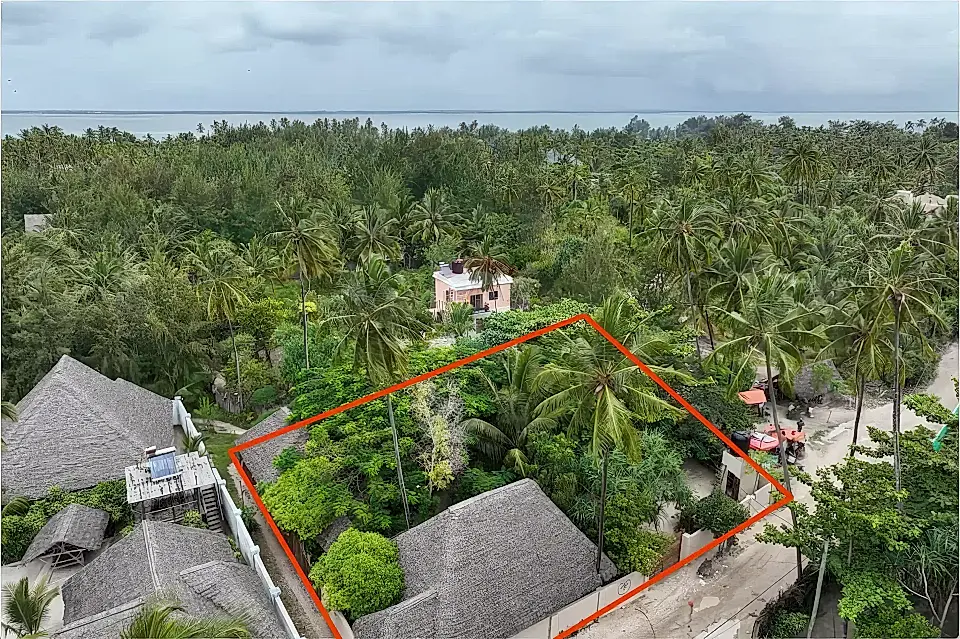
Assess Your Investment Budget and Risk Appetite
Zanzibar suits investors seeking higher returns and willing to accept increased risk.
Entry points start as low as $75,000, making it accessible for those with moderate capital who want exposure to a fast-growing market. Rental yields ranging from 10% to 20% attract investors prioritizing cash flow and capital appreciation potential. Higher volatility arises from factors such as leasehold complexities, evolving infrastructure, and seasonal tourism fluctuations.
Mauritius appeals to conservative investors valuing stability and luxury asset security.
The minimum investment threshold near $375,000 aligns with wealth preservation strategies and residency benefits tied to freehold ownership. Moderate rental yields of 4% to 6% reflect a mature, stable market backed by robust legal protections and established infrastructure. This environment suits those who prefer predictable returns over aggressive growth.
 Factor in Lifestyle Preferences and Legal Comfort Levels
- Zanzibar offers a more relaxed island lifestyle with emerging amenities concentrated around coastal hubs like Paje and Nungwi.
- Infrastructure is developing but may not meet expectations of investors used to fully matured markets.
- The leasehold land tenure system requires navigating government approvals through ZIPA, demanding comfort with local legal processes.
- Mauritius delivers premium infrastructure including international schools, healthcare facilities, and transport networks favored by expatriates and high-net-worth individuals.
- The freehold property system provides clearer ownership rights that reduce legal uncertainties for foreign investors.
- Residency programs are streamlined but require larger capital commitments.
Key Considerations for the Best African Island Investment Strategy
Risk Tolerance Property Investing Africa:
If you have a higher risk appetite and seek aggressive growth paired with affordable entry points, Zanzibar’s real estate market aligns well with your goals. You accept dynamic market conditions in exchange for potential outsized rewards.
Investment Stability & Lifestyle Integration:
When prioritizing long-term wealth preservation combined with lifestyle factors such as security, ease of ownership transfer, and developed urban amenities, Mauritius stands out as the preferred choice.
Portfolio Diversification:
Some investors may consider allocating funds to both islands to balance volatility against stability—capturing growth in Zanzibar while anchoring their portfolio in Mauritius’ mature market.
Matching your personal preferences on legal comfort, infrastructure readiness, financial capacity, and desired risk-return balance ensures you select an Indian Ocean real estate approach tailored to your unique investment profile.
How Afrika.vc Can Help Curate Your Island Property Deals
Afrika.vc specializes in curated real estate investments Indian Ocean islands, focusing on prime opportunities in Zanzibar and Mauritius. Their platform connects you with vetted, high-potential properties that align with your investment strategy and risk profile.
Key advantages of partnering with Afrika.vc include:
- Expert Navigation of Legal Frameworks
- Understanding the complexities of foreign ownership in African island markets is critical. Afrika.vc offers deep expertise in navigating Zanzibar’s leasehold system and Mauritius’ freehold structures, ensuring compliance and smooth transaction processes.
- Tailored Investment Solutions
- Whether you seek high-yield rental properties in Zanzibar or luxury, stable assets in Mauritius, the platform curates deals to match your budget and lifestyle preferences. This personalized approach reduces guesswork and streamlines your property search.
- Insightful Market Intelligence
- Africa’s island markets can be volatile and rapidly evolving. Afrika.vc provides up-to-date market data, tourism trends, and capital appreciation forecasts to help you make informed decisions between Zanzibar vs Mauritius real estate investment options.
- Access to Exclusive Listings
- Many lucrative island property deals remain off-market or restricted to select investors. Afrika.vc grants access to such exclusive opportunities that might otherwise be difficult to discover independently.
Partnering with Afrika.vc empowers you to confidently invest in exotic yet complex real estate markets across Africa’s Indian Ocean islands, leveraging their specialized knowledge to optimize returns while managing risks effectively.
Conclusion
Choosing between Zanzibar and Mauritius for your real estate investment in 2026 requires a clear understanding of what you value most. Both islands present compelling opportunities, yet their differences shape distinct investment experiences.
Key considerations to help you decide include:
- Risk tolerance: Zanzibar offers higher rental yields and capital appreciation but comes with legal complexities and market volatility. Mauritius provides stability, established infrastructure, and a secure freehold system that appeals to conservative investors.
- Budget constraints: Zanzibar’s lower entry points around $75,000 make it accessible for a wider range of investors. Mauritius demands a significantly higher minimum investment starting at $375,000, targeting luxury buyers and those seeking residency through property ownership.
- Investment horizon and goals: If you prioritize quick rental returns with growth potential in an emerging market, Zanzibar may align well with your strategy. For wealth preservation, steady value growth, and lifestyle flexibility within a mature market, Mauritius stands out. It’s also beneficial to consider a broader property investment strategy for 2026 which could provide more insights.
- Residency benefits: Zanzibar’s Golden Visa program offers residency permits for smaller investments but under leasehold terms. Mauritius grants residency through freehold ownership but requires larger capital input.
- Lifestyle preferences: Zanzibar’s vibrant coastal hotspots like Paje and Nungwi appeal to those seeking a more dynamic market with development potential. Mauritius caters to investors who prefer established luxury living with less exposure to seasonal fluctuations.
The final verdict on Zanzibar vs Mauritius real estate investment hinges on aligning your priorities with the unique profiles of each market.
You are encouraged to analyze these factors carefully before committing capital. Both destinations hold significant promise, yet success depends on matching the right island to your investment style and life goals in 2026.
FAQs (Frequently Asked Questions)
What are the key differences between Zanzibar and Mauritius real estate markets for investment in 2026?
Zanzibar offers a more affordable entry point with one-bedroom beachfront units starting around $75,000 and leasehold ownership up to 99 years, driven by booming tourism with high short-term rental yields (10–20%). Mauritius, on the other hand, requires a higher minimum investment of $375,000 for freehold properties, supports stable but moderate rental yields (4–6%), and has an established luxury market with steady capital appreciation (~21% YoY real growth as of 2024).
How does tourism growth impact real estate investment opportunities in Zanzibar versus Mauritius?
Zanzibar’s tourism surged by 55% year-over-year with over 106,000 visitors in July 2025 alone, fueling strong demand for short-term rentals and driving higher rental yields. Mauritius maintains a steadier, mature tourism market that supports consistent occupancy rates and stable rental income. This contrast affects rental yield potential and property demand in each island’s real estate sector.
What are the foreign ownership regulations for real estate investors in Zanzibar compared to Mauritius?
In Zanzibar, foreign investors acquire leasehold rights with government approval via ZIPA for leases up to 99 years since all land is state-owned. Mauritius offers freehold ownership within structured schemes that facilitate residency but require higher capital investment. These differing legal frameworks influence investor security, property transferability, and long-term asset control.
What residency options are available through real estate investment in Zanzibar and Mauritius?
Zanzibar’s Golden Visa program grants residency permits to investors purchasing property from $100,000 under leasehold arrangements. Mauritius offers residency linked to freehold property investments with minimum thresholds of $375,000 or more. Each program provides unique benefits and restrictions affecting relocation flexibility and lifestyle preferences for investors.
Which types of properties and locations are popular for investment in Zanzibar versus Mauritius?
Zanzibar features diverse offerings such as resort villas, boutique hotels, apartments, and land development opportunities concentrated in coastal hotspots like Paje and Nungwi. Mauritius focuses on established luxury condos and villas within mature infrastructure zones favored by high-net-worth buyers. The maturity of these locations influences market volatility and long-term growth potential.
How can Afrika.vc assist investors interested in African island real estate markets like Zanzibar and Mauritius?
Afrika.vc curates high-potential real estate investment opportunities across African island markets including Zanzibar and Mauritius. They provide expert guidance navigating complex legal frameworks, sourcing properties aligned with investor goals related to risk tolerance, returns, costs, and lifestyle preferences—helping clients make informed decisions in the 2026 Indian Ocean island property market.


