

This article explores the Top 10 African Countries with the Largest Proportion of Institutional Investors in 2025. It provides an overview of the institutional investor landscape in Africa for that year. Our goal is to highlight the importance of institutional investors, such as those represented by GIPC, in shaping African capital markets and economies.
In this article, we will:
- Discuss the purpose of the article and its main findings.
- Explain why institutional investors are crucial for growth and development in African markets.
Understanding Institutional Investors and Their Role in Africa
Institutional investors are entities that invest on behalf of others, typically managing large sums of money. In Africa, several types of institutional investors play a crucial role in the financial markets and the overall economy. These include:
1. Pension Funds
Pension funds are organizations that manage funds on behalf of employees to provide retirement benefits. They collect contributions from employers and employees during an individual’s working years and invest those funds to generate returns. As the workforce in Africa continues to grow, pension funds are becoming increasingly important players in capital markets across the continent.
2. Sovereign Wealth Funds (SWFs)
Sovereign wealth funds are state-owned investment vehicles that manage surplus reserves for the benefit of future generations. These funds invest in a wide range of assets, including stocks, bonds, real estate, and infrastructure projects. By doing so, SWFs contribute to long-term economic growth and stability in African countries.
3. Insurance Companies
Insurance companies collect premiums from policyholders in exchange for providing financial protection against certain risks. To ensure they can meet their future obligations, insurers need to invest these premiums wisely. This makes insurance companies significant institutional investors, as their asset allocation strategies can influence financial markets.
4. Mutual Funds
Mutual funds pool money from multiple investors to create a diversified investment portfolio managed by professionals. They offer individuals an opportunity to invest in various asset classes without requiring substantial capital upfront. While mutual funds may not be as large as pension funds or sovereign wealth funds individually, collectively they represent a significant portion of institutional investment in Africa.
The Role of Institutional Investors in Financial Markets
Institutional investors have several key roles within financial markets:
1. Capital Mobilization
By pooling resources from various sources, institutional investors can deploy larger amounts of capital into different asset classes. This helps channel funds into sectors critical for economic development such as infrastructure, agriculture, and manufacturing.
2. Liquidity Provision
Active trading by institutional investors enhances market liquidity – the ease with which securities can be bought or sold without significantly impacting prices. Increased liquidity benefits all market participants by reducing transaction costs and improving price discovery.
3. Long-Term Investment Horizons
Unlike individual retail investors who may have shorter investment horizons driven by market fluctuations or personal circumstances, institutions often take a long-term approach to investing. They can hold onto investments through market cycles which supports stability and sustainable growth.

Impact on Funding Large-Scale Projects
Institutional investors play a vital role in financing major projects such as:
- Infrastructure development (roads, railways, airports)
- Renewable energy initiatives (solar farms, wind power plants)
These projects require substantial amounts of capital over extended periods – something that traditional sources like banks may not always be able to provide due to their shorter lending tenures.
Emerging Trends in African Institutional Investment Sectors
Africa’s institutional investment landscape is evolving rapidly with emerging trends such as:
- Increasing interest in sustainable investing: Institutions are recognizing the importance of integrating environmental social governance (ESG) factors into their investment decisions.
- Exploration of impact investing opportunities: Many institutional investors seek not only financial returns but also positive social outcomes through their investments.
- Growth of green finance initiatives: There is a rising demand for funding solutions specifically targeting climate-friendly projects across Africa.
These trends indicate a shift towards more responsible and purpose-driven investing practices among African institutions which align with global sustainability goals.
By understanding the diverse roles played by various types of institutional investors – including pension funds Africa , sovereign wealth funds Africa , insurance companies institutional investors Africa , and mutual funds – we gain insights into how they contribute towards driving economic growth on the continent while shaping its financial future.
Top 10 African Countries with the Largest Institutional Investor Proportion in 2025
In 2025, several African countries are expected to have a significant proportion of institutional investors in their financial markets. Institutional investors play a crucial role in promoting economic growth and stability by providing long-term capital to businesses and governments.
Here are the top 10 African countries projected to have the largest institutional investor proportion in 2025:
1. South Africa: The Continent’s Institutional Investment Leader
South Africa is set to retain its position as the leader in institutional investment on the continent. The country has a well-established financial system and regulatory framework that supports the growth of institutional investors.
Key Factors Contributing to South Africa’s Institutional Investment Leadership:
- Public Investment Corporation (PIC): The PIC, with assets under management (AUM) of ZAR 2.693 trillion ($142 billion), is the largest asset manager in Africa. It plays a vital role in channeling funds into various sectors of the economy.
- Johannesburg Stock Exchange (JSE): The JSE is the largest stock exchange in Africa by market capitalization. Its size and liquidity make it an attractive destination for institutional investors seeking investment opportunities.
- Sustainable and Impact Investing: South Africa has witnessed a growing focus on sustainable and impact investing. Initiatives such as the introduction of green bonds for renewable energy and infrastructure projects demonstrate the country’s commitment to environmentally responsible investments.
The combination of these factors positions South Africa as a key player in attracting institutional investments across the continent.
Other Countries Expected to Have Significant Institutional Investor Proportions
While South Africa leads the way, other African countries are also expected to see an increase in institutional investor participation:
- Nigeria: With its large population and emerging economy, Nigeria has great potential for attracting institutional investments.
- Kenya: Known for its vibrant technology sector, Kenya is likely to attract institutional investors looking for opportunities in fintech and digital innovation.
- Egypt: As one of the largest economies in Africa, Egypt’s economic reforms and infrastructure projects may attract institutional investments.
These countries, along with South Africa, are expected to be at the forefront of institutional investment growth on the continent.
Conclusion
Institutional investors play a critical role in shaping Africa’s financial markets and driving economic development. In 2025, South Africa is projected to remain the leader in institutional investment, followed by countries like Nigeria, Kenya, and Egypt.
As these nations continue to implement financial market reforms and create conducive environments for investment, they are likely to attract more institutional capital, which will ultimately benefit their economies.
2. Nigeria: Expanding Institutional Investment through Sovereign Wealth and Pension Funds
Talking Points:
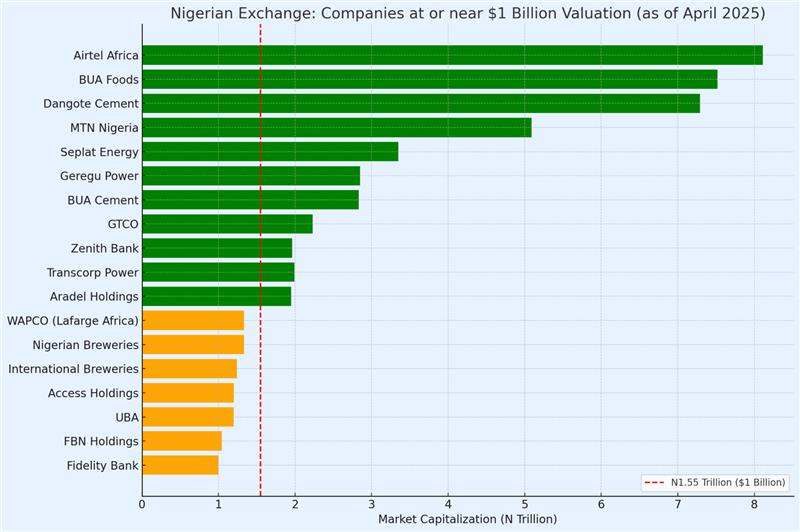
- Growth trajectory of Nigerian Exchange Group with increased local pension fund and insurance company participation.
- Nigeria Sovereign Investment Authority managing sizable assets for long-term development projects ($20 billion pension fund AUM). Key sectors attracting investments include infrastructure, real estate, fintech, agriculture, and energy.
3. Egypt: A Growing Hub for Institutional Capital with Foreign Investor Appeal
Egypt’s institutional investment landscape is gaining momentum, positioning the country as a key player among the top African countries by institutional investor proportion in 2025. The Egyptian Exchange (EGX) boasts a market capitalization of LE 2.29 trillion as of December 2024, driven largely by the active participation of pension funds and the National Investment Bank.
Significant foreign interest is evident in the landmark $35 billion investment deal led by Abu Dhabi’s sovereign wealth fund, ADQ.
This deal underscores the growing confidence of international institutional investors in Egypt’s potential for long-term returns and strategic economic partnerships.
Several economic reforms have enhanced Egypt’s financial market appeal to foreign capital:
- The flotation of the Egyptian pound has improved exchange rate flexibility.
- Revised fiscal policies now facilitate easier access for foreign investors.
- Regulatory adjustments encourage transparency and protection for institutional investors.
Privatization programs play a central role in channeling capital into critical sectors. Energy, construction, and telecommunications projects attract substantial investments from both domestic pension funds and international sovereign wealth funds, fueling infrastructure development and modernization efforts.
Egypt’s growing reputation stems from its combination of robust market fundamentals and proactive policy measures designed to integrate it firmly within Africa’s evolving network of institutional investors.
4. Kenya: Steady Growth Supported by Pension Funds and Market Innovations
Kenya is one of the top African countries with a high proportion of institutional investors in 2025. This growth is driven by a combination of pension fund expansion and market innovations.
The Role of the Nairobi Securities Exchange (NSE)
The Nairobi Securities Exchange (NSE) plays a crucial role in this growth. By December 2024, the NSE’s assets under management are expected to reach approximately KSh 2.25 trillion, indicating strong involvement from pension funds and insurance companies.
Key Initiatives at the NSE
To attract more institutional investments, the NSE has implemented several key initiatives:
- Real Estate Investment Trusts (REITs): The introduction of REITs provides institutional investors with diversified opportunities in the real estate sector while enhancing liquidity.
- Derivatives markets: The development of derivatives markets offers advanced trading instruments, enabling risk management strategies attractive to large-scale investors.
Focus on Government-Backed Infrastructure Projects
In addition to these initiatives, the Kenyan institutional investment landscape also places emphasis on government-backed infrastructure projects that are critical to national development. Institutional capital is increasingly being directed towards sectors such as transportation, energy, and telecommunications.
Growing Commitment to Sustainable Finance
Emerging green investment funds in Kenya highlight a growing commitment to sustainable finance. These vehicles align with the continent-wide trend toward green bonds and impact investing seen in markets like South Africa. Such focus supports Kenya’s transition to renewable energy and environmentally sound infrastructure.
Kenya’s combination of pension fund growth, innovative market structures, and sustainable investment options solidifies its position among the Top 10 African Countries with the Largest Institutional Investors Proportion in 2025.
5. Morocco: North African Stronghold with Regulatory Reforms Boosting Green Financing
Morocco’s Casablanca Stock Exchange is one of the largest stock exchanges in Africa by market capitalization. It has a strong presence of pension funds and insurance companies, which are important institutional investors. The country is also seeing a growing interest in infrastructure development, particularly in areas such as renewable energy and consumer goods.
Recent regulatory reforms in Morocco are aimed at attracting more institutional participation in the financial markets. These reforms include initiatives to promote sustainable finance instruments like green bonds, which are expected to play a significant role in funding environmentally friendly projects.
With these developments, Morocco is positioning itself as a key player in the African investment landscape, particularly in terms of attracting institutional investors who are increasingly focused on sustainable investing.
6. Zambia: Emerging Market with Focus on Infrastructure and Sustainable Investments
Zambia is emerging as a promising market for institutional investors, particularly in the areas of infrastructure and sustainable investments. The country’s capital market, represented by the Lusaka Securities Exchange (LuSE), has been experiencing growth due to increased participation from institutional investors.

Expansion of Lusaka Securities Exchange
The expansion of the Lusaka Securities Exchange is being driven by the rising participation of institutional investors such as pension funds and sovereign wealth funds (SWFs). These investors are attracted to Zambia’s potential for economic growth and development, particularly in sectors such as renewable energy and mining.
Government Initiatives
The Zambian government is actively promoting transparency and capital market development through various initiatives. These efforts aim to create a conducive environment for investments by attracting pensions and SWFs to participate in the country’s capital markets.
Focus on Infrastructure Projects
Zambia has placed a strong emphasis on infrastructure projects as a means of driving economic growth. This focus on infrastructure aligns with the interests of institutional investors who are often seeking long-term investment opportunities in sectors that require significant capital expenditure.
Growing Appetite for Sustainable Investments
In addition to infrastructure, there is a growing appetite among institutional investors for sustainable investments in Zambia. The country’s abundant natural resources present opportunities for investments in renewable energy projects, which are becoming increasingly attractive to socially responsible investors.
As Zambia continues to implement financial market reforms and attract institutional investors, it is poised to become one of the top African countries with a significant proportion of institutional investors by 2025.
7. Uganda: Emerging Institutional Investment Destinations Driven by Infrastructure & Natural Resources
Uganda’s National Social Security Fund plays a crucial role in supporting real estate and government-driven infrastructure investments. This fund has become a key player in attracting institutional investors to the country, as it actively invests in projects that promote economic growth and development.
Key Areas of Investment
- Real Estate: The National Social Security Fund (NSSF) is heavily involved in the real estate sector, funding residential and commercial projects that cater to the growing population and business community. These investments help meet the high demand for housing and office spaces, thereby contributing to urbanization and economic activity.
- Infrastructure: The NSSF allocates substantial resources to government-led infrastructure projects, including roads, bridges, and public utilities. These projects are essential for improving connectivity and accessibility within Uganda, fostering trade, and boosting overall economic productivity.
Benefits of NSSF Investments
- Economic Growth: By channeling funds into large-scale infrastructure projects, the NSSF helps stimulate economic growth. Improved infrastructure enhances efficiency in transportation and logistics, which can significantly reduce costs for businesses.
- Job Creation: Investments in real estate and infrastructure create numerous employment opportunities during both the construction phase and operational stages. This helps reduce unemployment rates and improve living standards.
- Attracting Institutional Investors: The active participation of the NSSF in significant projects signals stability and growth potential to other institutional investors. This can lead to increased foreign direct investment (FDI), bringing additional capital into Uganda’s economy.
Strategic Projects
- Housing Developments: The NSSF has launched several housing schemes aimed at providing affordable homes for Ugandans. These projects not only address housing shortages but also generate long-term returns on investment for the fund.
- Public Infrastructure: Funding critical infrastructure such as highways, energy plants, and water supply systems reflects the NSSF’s commitment to sustainable development. These investments ensure that foundational elements are in place to support future economic activities.
Empowering Economic Development
By prioritizing investments that have a direct impact on national development goals, the NSSF plays an instrumental role in shaping Uganda’s economic landscape. Its focus on sustainable real estate and infrastructure projects aligns with broader efforts to achieve long-term socio-economic progress.
“The National Social Security Fund is not just a retirement savings body; it is a catalyst for national development,” says Richard Byarugaba, Managing Director of NSSF Uganda.
This strategic approach ensures that while safeguarding members’ savings, the fund simultaneously drives forward Uganda’s vision for a more prosperous future.
8. Tanzania: Gradual Capital Market Development Anchored by Government Debt Instruments
Tanzania’s capital markets have shown steady progress, driven largely by the active participation of institutional investors in government debt instruments. The Dar es Salaam Stock Exchange (DSE) plays a central role, with government bonds forming the backbone of institutional portfolios. These debt instruments provide a stable and secure avenue for pension funds, insurance companies, and other large asset managers to deploy capital.
Key features shaping Tanzania’s institutional investment landscape:
- Dominance of government bonds: Institutional investors hold significant proportions of government securities, providing liquidity and stability to the market.
- Sectoral focus: Investments predominantly target infrastructure projects aligned with national industrial growth plans. Priority sectors include:
- Energy (power generation and distribution)
- Transportation (road and rail networks)
- Telecommunications (expanding connectivity)
- Alignment with economic goals: Institutional funding supports Tanzania’s broader objectives for industrial growth and modernization, enhancing long-term development prospects.
Tanzania’s approach reflects a pragmatic model where government debt markets serve as entry points for institutional investors while fostering gradual financial market sophistication. This trend underscores the importance of stable fixed-income products in African stock exchanges as foundations for expanding institutional participation.
Identifying Tanzania among the Top 10 African Countries with the Largest Institutional Investors Proportion in 2025 highlights how targeted reforms and strategic sector focus can encourage capital mobilization through institutional channels within emerging markets.
9. Ethiopia: Emerging Institutional Investment Landscape Fueled by Ethiopian Securities Exchange Launch
Ethiopia’s institutional investment sector is in its early stages but shows significant potential, especially following the launch of the Ethiopian Securities Exchange (ESX) in January 2025. This new exchange represents a vital step toward integrating Ethiopia into the broader network of African stock exchanges and institutional investors.

Ethiopia: Promising Outlook Post Ethiopian Securities Exchange Launch
Ethiopia’s outlook looks promising following the launch of the Ethiopian Securities Exchange in January 2025. This development, coupled with economic reforms targeting agriculture, manufacturing, and infrastructure sectors, is expected to attract both domestic and foreign institutional investors. By providing a platform for companies to raise capital and trade securities, the exchange aims to facilitate investment flows into these critical areas of the economy.
Key factors shaping Ethiopia’s outlook include:
- Economic reforms targeting liberalization and market openness, which pave the way for increased participation from pension funds, insurance companies, and sovereign wealth funds.
- Focus sectors such as agriculture, manufacturing, and infrastructure offer attractive opportunities for long-term institutional investments.
- The ESX provides a platform to mobilize capital for government-backed infrastructure projects, aligning with Ethiopia’s industrial growth ambitions.
- Institutional investors from neighboring countries like Uganda leverage experiences with their National Social Security Fund, which plays a pivotal role in real estate and infrastructure investments.
- Mozambique’s success in attracting pension funds and insurers through natural gas reserves and infrastructure development projects serves as a regional example Ethiopia aims to emulate.
Ethiopia aims to establish itself among the top African countries by institutional investor proportion in 2025 by adopting financial market reforms that enhance transparency and investor confidence. Its strategic positioning in East Africa alongside growing capital markets signals a promising future for institutional investors seeking exposure to emerging sectors on the continent.
10. Mozambique: Emerging Institutional Investment Destinations Driven by Infrastructure & Natural Resources
Mozambique is gaining traction among institutional investors due to its abundant natural resource reserves and government-led infrastructure initiatives. The Mozambique Stock Exchange remains a focal point for pension funds and insurance companies seeking exposure to sectors like natural gas, coal, and minerals.
Mozambique: Natural Gas Reserves & Government-Led Infrastructure Projects
Mozambique’s appeal lies in its abundant natural gas reserves and government-led infrastructure projects. These factors have made the country an attractive destination for pension funds and insurers looking to diversify their investment portfolios. With ongoing efforts to develop key sectors such as energy and transportation, Mozambique is positioning itself as a regional hub for institutional investment.
Key drivers of institutional investment in Mozambique include:
- Natural Gas Reserves: Significant discoveries in offshore natural gas fields attract long-term capital from institutional investors focused on energy security and sustainable development.
- Infrastructure Development Projects: Government efforts to upgrade transportation networks, ports, and energy facilities create ample opportunities for pension funds and insurers to deploy capital.
- Real Estate Sector Growth: Urbanization trends supported by institutional investment, including contributions from neighboring Uganda’s National Social Security Fund, bolster the real estate market.
Institutional investors view Mozambique as a strategic entry point into Southern Africa’s broader economic landscape. The ongoing infrastructure projects align well with the investment mandates of pension funds emphasizing stable, long-term returns. Mozambique’s evolving financial market reforms also aim to enhance transparency and investor protection, increasing confidence among large-scale African institutional investors.
The country’s combination of resource wealth and infrastructural expansion positions it alongside other leading African markets such as South Africa’s Public Investment Corporation and Ethiopia’s emerging stock exchange. This makes Mozambique an increasingly attractive destination for institutional capital seeking diversified exposure across Africa’s growth sectors.
Trends Shaping Institutional Investment Across Top African Countries in 2025
Institutional investors across Africa are increasingly influenced by a set of shared trends that define the continent’s evolving financial landscape. Key drivers include regulatory improvements and enhanced transparency, which build investor confidence and facilitate market participation. Countries leading in institutional investment have implemented reforms to modernize their financial markets, improve disclosure standards, and streamline investment processes.
1. Growth of Sustainable Finance Instruments
One significant trend is the growth of sustainable finance instruments, particularly green bonds, which have become crucial in supporting Africa’s transition to renewable energy. These bonds attract institutional capital by offering long-term, stable returns linked to projects with positive environmental impact. For instance, South Africa has introduced green bonds specifically for financing renewable energy infrastructure, while Morocco has implemented regulatory reforms to promote green financing initiatives.
2. Addressing the Trade Finance Gap
The ongoing trade finance gap of around $100 billion across African economies has led to a greater demand for infrastructure financing solutions. Institutional investors such as pension funds and sovereign wealth funds play a vital role in this space by providing the stable and long-term capital required to support large-scale projects in sectors like transportation, energy, and telecommunications. This type of financing is critical for overcoming infrastructure deficits that hinder economic growth on the continent.
3. Dominance of Pension Funds and Sovereign Wealth Funds
Pension funds and sovereign wealth funds are emerging as key players in institutional investment due to their capacity to allocate significant assets over extended periods. Their involvement ensures consistent liquidity in the market and allows for targeted investments in strategic sectors aligned with national development plans—such as real estate, agriculture, technology, and clean energy initiatives.
4. Shifting Dynamics in Emerging African Markets
These trends are also reflected in the changing dynamics of emerging African markets:
- Financial market reforms aimed at enhancing cross-border investment opportunities.
- Increasing interest from institutional investors in diversifying their portfolios through the inclusion of green assets.
- Collaborative efforts between governments and institutional investors to prioritize sustainable infrastructure projects.
- Growth of local pension industries contributing to the mobilization of domestic capital.
These developments signal a transformative phase for Africa’s institutional investment sector, positioning it as a driver of economic growth while aligning with global sustainability objectives.
Conclusion
African capital markets are expected to grow significantly due to government reforms that promote transparency and build investor confidence. The Top 10 African Countries with the Largest Institutional Investors Proportion in 2025 show how regulatory improvements have attracted substantial institutional capital, which in turn supports major infrastructure and sustainable development projects.
Key factors contributing to this positive outlook include:
- An expanding middle class that is driving demand for a wider range of investment options
- An increase in investments towards sustainability-focused assets like green bonds and renewable energy funds
- Steady long-term inflows of capital from pension funds and sovereign wealth funds, which are enhancing market liquidity and depth
The ongoing reforms indicate that Africa is on track for greater financial integration and economic resilience. Investors looking to invest in emerging markets will find attractive opportunities in these leading African countries.
Consider aligning your portfolio with Africa’s institutional investment leaders to capitalize on structural growth trends and sustainability-driven asset allocation strategies shaping the future of African economies.


