

The 2025 G20 Summit, hosted for the first time ever in Johannesburg, South Africa, marks a historic turning point. For decades, global economic policymaking revolved around capitals like Washington, Tokyo, and Berlin. This year, the spotlight shifts decisively to Africa—not as a symbolic gesture, but as an acknowledgment that the continent has moved from the periphery to the very center of global economic strategy.
South Africa’s presidency carries a powerful message through its theme: Solidarity, Equality, Sustainability. These pillars are not mere buzzwords; they embody a fundamental shift in how developing economies demand fair treatment and inclusion within international finance.
This summit signals more than just political presence. It ushers in a new era for global investment strategies with significant emphasis on real estate—a sector poised to benefit from Africa’s rapid urbanization and economic dynamism. Investors worldwide will find fresh opportunities grounded in sustainable growth models that align with this transformative agenda.
Moreover, Africa’s economy is projected to grow at 4.3%, with potential to rise to China’s economic power by 2060. This robust economic growth is attracting UAE developers and creating a surge in millionaire growth predicted at 65% over the next decade.
Key takeaways:
- First-ever G20 Summit hosted on African soil
- Africa’s elevation from peripheral player to core participant in global economics
- Presidency themed on solidarity, equality, sustainability—principles driving actionable change
- New horizons for investment strategies focused on real estate and sustainable development
Historical Context of G20 and Africa’s Position
The G20 history is rooted in shaping global economic policy from the boardrooms of major developed world capitals such as Washington, Tokyo, and Berlin. Since its inception in 1999, the G20 has served as a premier forum where the world’s largest economies convene to coordinate international financial stability and economic growth strategies. These meetings traditionally reflected the priorities and perspectives of advanced economies, often leaving developing regions like Africa on the periphery of critical decision-making processes.
Africa’s Marginalized Role in Global Economic Discussions
Africa’s role within the global economy has been historically marginalized in these high-level discussions. Despite being home to some of the fastest-growing economies and abundant natural resources, African nations were seldom granted a central voice at such influential international platforms. This peripheral positioning mirrored broader trends in developing economies finance, where access to global capital markets, fair trade agreements, and sustainable investment opportunities remained limited or inequitable.
Increasing Recognition of Africa’s Economic Potential
Recognition by international institutions of Africa’s economic potential has steadily increased over the past decade. Institutions such as the International Monetary Fund (IMF), World Bank, and even previous G20 communiqués began acknowledging both the region’s dynamic growth prospects and systemic challenges—including infrastructural deficits, governance reforms, and social inequality. This evolving awareness catalyzed more inclusive approaches toward integrating African priorities into broader financial architecture reforms.
Significance of the 2025 G20 South Africa Summit
The 2025 G20 South Africa summit marks a pivotal moment by relocating this influential gathering onto African soil for the first time. Hosting the summit in Johannesburg symbolizes a shift from exclusion to inclusion — an acknowledgment that Africa is no longer just a subject of discussion but an active participant shaping global economic frameworks. The presence of African Union member states as invited guests further enriches negotiations with authentic regional perspectives that have long been underrepresented.
This milestone reflects a growing consensus: Africa is integral to future global economic stability and prosperity. As we ponder whether Africa could become the next China by 2060, it becomes evident that the continent holds immense potential for growth and development. As the G20 evolves beyond its traditional loci in Washington, Tokyo, and Berlin, it embraces a more diversified leadership reflecting emerging market realities and development needs. Such expansion signals new pathways for investment strategies aligned with Africa’s unique context—opening doors for innovative financial mechanisms tailored to its growth trajectory.
The 2025 Johannesburg Summit: A Game Changer for Global Investment Strategies
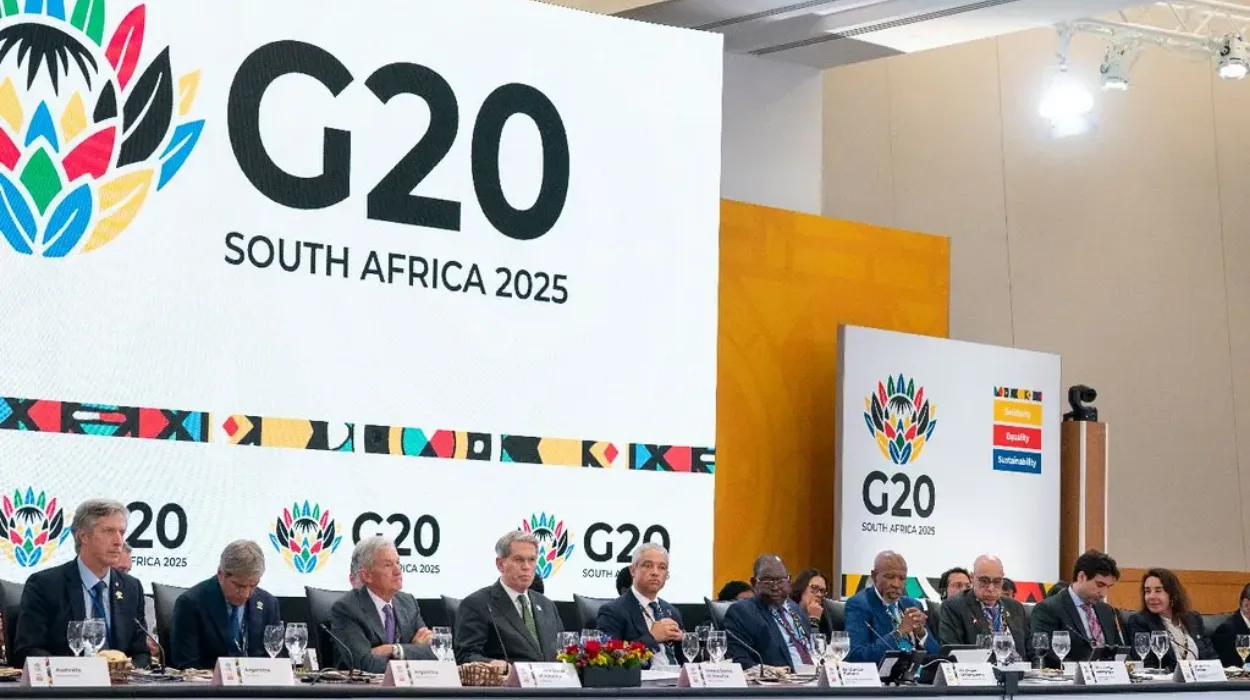
The Johannesburg G20 summit is a historic event as it will be the first G20 meeting held in Africa. This summit represents more than just a change in location; it also signifies a shift in global economic governance. With Africa now participating in these important discussions, it shows that the continent is no longer on the sidelines but actively shaping global policies.
South Africa’s Unique Agenda
As the host country, South Africa has a unique opportunity to set the agenda for this summit. The country plans to focus on three main themes: solidarity, equality, and sustainability. These topics go beyond mere talk and aim to create tangible goals for how developing economies interact with international finance.
Key Themes of South Africa’s Agenda
- Solidarity: building inclusive partnerships that reflect mutual respect and shared responsibility among nations.
- Equality: advocating for fair treatment of African economies within global financial systems and trade frameworks.
- Sustainability: committing to long-term economic growth that respects environmental limits and social equity.
Shifting Expectations for African Nations
These key themes represent a significant change in what African countries expect from these discussions. They want to be recognized not just as providers of resources but also as equal partners who can contribute to and benefit from global prosperity.
Inclusion of African Union Member States
One important aspect of this summit is that it will include African Union member states as official guests. This is a groundbreaking move as it has never happened before in G20 history. By inviting AU nations, the summit ensures that authentic regional perspectives are included in the conversations and decisions being made.
Redefining Global Investment Strategies
The focus on solidarity, equality, sustainability at the Johannesburg summit reflects an evolving strategy for Africa on the global stage—one that prioritizes integrated growth models supported by fair financial systems and sustainable development pathways.
This landmark summit sets a new tone for future global investment strategies by fostering genuine collaboration between advanced economies and emerging African markets. It creates fertile ground for innovative partnerships, particularly in sectors like real estate where sustainable urbanization and infrastructure development are critical.
Core Themes and Their Implications for Africa’s Economic Future and Global Investors’ Interest
The 2025 G20 Summit in Johannesburg marked a significant moment in global economic governance. Economic solidarity Africa now takes center stage, framed not as a mere ideal but as an actionable strategy rooted in the Ubuntu philosophy—“I am because we are.” This African worldview emphasizes interconnectedness and partnership building, redefining collaboration across nations and sectors.
South Africa’s presidency articulated three core themes: solidarity, equality, and sustainability. These pillars signal a decisive move away from extractive economic models towards inclusive growth policies that prioritize shared prosperity. The emphasis on solidarity promotes strong, balanced growth through mutual responsibility among G20 members, recognizing that no economy thrives in isolation.
The Ubuntu approach fosters:
- Collaborative problem-solving that integrates diverse perspectives
- Long-term partnerships spanning public and private sectors
- A focus on community empowerment alongside macroeconomic development
This framework challenges traditional paradigms where Africa was often sidelined in global financial discussions. If you still think Africa is “next,” you haven’t noticed—the G20 summit just made it “now,” and global investment will never see this region the same way again.
By embedding these values into the summit agenda, South Africa has positioned Africa not only as an emerging market but as a strategic partner shaping international finance reforms. These themes encourage investors to reconsider risk profiles with a lens on equitable opportunity, resilience, and sustainability—factors increasingly critical in today’s complex geopolitical landscape.
Equality: Fair Treatment in Global Finance for African Nations and Investors’ Stake
The G20 Summit in Johannesburg places financial equality for developing countries at the forefront of global economic reform. African nations face unique challenges in accessing sustainable financing and navigating debt burdens that have historically constrained growth and investment potential. Addressing debt sustainability in low-income countries becomes a critical priority to unlock capital flows that empower long-term development.
Key initiatives focus on:
- Tailored debt relief programs: Designing mechanisms that acknowledge Africa’s diverse economic contexts, moving beyond one-size-fits-all solutions. Debt restructuring efforts aim to reduce fiscal pressures while enabling governments to increase spending on infrastructure, education, and healthcare—sectors vital for economic resilience.
- Sustainable financing mechanisms: Encouraging financial instruments aligned with environmental, social, and governance (ESG) criteria. These mechanisms foster investments that generate measurable positive impacts while ensuring financial returns are balanced with social responsibility.
Equity in the international tax system emerges as another pillar essential for Africa’s economic empowerment. The current global tax architecture often disadvantages developing economies by allowing profit shifting and base erosion, reducing tax revenues critical for public investment.
We advocate for:
- Fairer allocation of taxing rights: Ensuring African countries receive a just share of corporate tax revenues from multinational enterprises operating within their borders.
- Transparency and accountability: Strengthening tax governance frameworks to combat illicit financial flows which drain resources from Africa’s development agenda.
Additionally, there’s an emerging trend where leveraging African investment for strategic tax planning and second citizenship is becoming increasingly popular among global investors. The African continent is becoming an attractive destination for those looking for innovative ways to plan their taxes and obtain second citizenship.
By recalibrating global finance toward fairness and inclusivity, the summit signals renewed confidence in Africa’s market potential. Investors gain assurance that financial systems are evolving to support equitable growth, reinforcing Africa as an attractive destination for responsible capital deployment.
Sustainability: Long-Term Development Goals That Attract Responsible Investments in Africa
The 2025 G20 Summit places sustainable development Africa at the forefront of international investment priorities. Africa’s unique environmental and socio-economic landscape demands tailored approaches that go beyond conventional financing models. This summit amplifies the call for climate finance reform aimed at unlocking substantial funding dedicated to climate adaptation and environmental resilience.
1. Climate Adaptation Funding
African nations face disproportionate risks from climate change impacts such as droughts, floods, and desertification. The summit advocates for scaled-up financial mechanisms that support infrastructure and community-based projects designed to withstand these challenges. Investments targeting water management systems, coastal protection, and resilient agricultural practices are critical to safeguarding livelihoods and economic stability.
2. Environmental Resilience in Projects
Projects supported by global investors must prioritize ecological sustainability while fostering economic growth. This involves integrating nature-based solutions and enforcing stringent environmental standards throughout the project lifecycle. Such commitments reduce long-term risks and enhance the durability of investments across sectors including real estate, agriculture, and energy.
3. Renewable Energy Transition Support
Africa’s abundant renewable resources—solar, wind, hydro—present unparalleled opportunities for clean energy expansion. The G20 agenda underscores the necessity of financial backing that respects local realities, ensuring technology transfer, capacity building, and affordability. Supporting decentralized energy models accelerates access in underserved regions while creating jobs aligned with green growth trajectories.
The pivot towards sustainability not only aligns with global climate goals but also signals an era where responsible investments will drive Africa’s economic future. Investors equipped with insights into these long-term development objectives can capitalize on emerging markets shaped by resilience and inclusivity.
Moreover, exploring strategies on how to finance a fair energy transition in Africa could provide valuable insights into aligning financial resources with sustainable energy initiatives.
Key Issues Addressed at the Summit Relevant to Investment Opportunities in Africa’s Real Estate Sector and Beyond

Africa is no longer just a topic of discussion in global economic conversations; it’s now a key player. The upcoming G20 Summit in Johannesburg in 2025 marks this change, with a focus on disaster resilience and food security investments as its main goals. This shift represents a significant opportunity for investors seeking sustainable growth in Africa.
South Africa’s Presidency Themes
South Africa’s presidency has identified three main themes: solidarity, equality, and sustainability. These themes will shape specific priorities that directly influence investment opportunities, particularly in real estate and agriculture. Infrastructure development will now include strong systems built to withstand climate-related disasters, which is crucial for safeguarding both urban areas and agricultural regions prone to floods, droughts, and extreme weather events.
Key Investment Opportunities
By concentrating on these areas, several key investment opportunities arise:
- Climate-resilient infrastructure: Urban planning and construction projects that incorporate advanced drainage systems, flood defenses, and energy-efficient designs.
- Resilient agricultural technologies: Innovations such as drought-resistant crops, precision farming tools, and smart irrigation systems that ensure stable food supply chains.
- Supply chain enhancements: Investments aimed at improving cold storage facilities, transportation networks, and distribution channels to reduce post-harvest losses and enhance market access.
If you still think Africa is “next,” you haven’t noticed—the G20 summit just made it “now,” reshaping how global capital views risk and reward on the continent.
The summit’s emphasis on enhancing disaster resilience reflects a strategic acknowledgment: strong infrastructure underpins not only food security but also the viability of real estate markets across rapidly urbanizing African cities. Investors gain from opportunities where environmental challenges meet innovative solutions anchored in local realities.
This recalibration invites global stakeholders to reconsider Africa not as a distant prospect but as an immediate frontier for impactful, profitable investments extending well beyond traditional sectors.
Challenges and Opportunities in Ghana
In Ghana specifically, the Ghana Investment AfterCare Program plays a crucial role in promoting sustainable investment by offering personalized support to investors after they have made their investments. However, data deficiency poses a significant barrier to real estate investment in Africa. The lack of reliable data creates uncertainty, complicating investment decisions for both local and foreign investors.
Despite these challenges, there are promising sectors like tourism that present substantial investment opportunities. For instance, Ghana’s vibrant tourism industry is rich in natural beauty, culture, and history.
In terms of real estate development in Ghana, there are several key players reshaping the landscape with innovative projects. You can discover Ghana’s top 5 real estate developers leading this change.
Moreover, with urbanization accelerating and economic conditions improving, passive real estate investing is emerging as a powerful strategy for wealth building in Africa. This investment approach allows individuals to generate income without the direct management of properties which is increasingly becoming popular among investors looking for high returns with less involvement.
Digital Transformation and Innovation as Catalysts for Investment Growth in Post-G20 Africa’s Real Estate Market and Beyond
The 2025 G20 Summit underscores the transformative power of digital transformation Africa as a critical driver for economic diversification and sustainable growth. Technology investment Africa is rapidly reshaping multiple sectors, setting the stage for enhanced productivity, efficiency, and inclusiveness.
Key Areas of Impact
- Real estate technology solutions: Adoption of PropTech innovations such as smart building management systems, data-driven property valuation, and digital leasing platforms significantly improve operational efficiencies. These technologies reduce costs and attract global investors seeking transparent and scalable opportunities. For instance, the Ghana real estate market is experiencing a surge in interest due to these advancements.
- Economic diversification: Digital ecosystems foster new business models beyond traditional extractive industries. E-commerce platforms, fintech services, and digital infrastructure development create vibrant ancillary markets that support real estate demand and urban growth. The strategic role of Africa’s free zones and industrial zones is a prime example of this transformation.
- Improved market accessibility: Mobile connectivity expansion enables broader participation from previously underserved populations. This inclusion drives demand for affordable housing while encouraging micro-investments through crowdfunding and blockchain-based real estate tokens.
- Innovation hubs and start-up culture: African cities like Johannesburg, Nairobi, and Lagos are emerging as innovation epicenters. Collaborative environments fuel technological advancements that integrate with real estate development to create smart cities optimized for sustainability and resilience.
- Data analytics for informed investment decisions: Enhanced access to real-time market data empowers investors with insights into demographic trends, rental yields, and risk assessment. Transparent information underpins confidence in African markets’ stability.
The Investor Perspective
Digital transformation presents a compelling narrative for investors targeting Africa’s real estate sector. It complements infrastructure development efforts by embedding technology-driven solutions that promote sustainability, efficiency, and scalability aligned with the summit’s overarching themes of solidarity, equality, and sustainability.
In this context, December emerges as a critical month for real estate investors in Ghana, marking a period when opportunities meet action. As we approach the pivotal 2024 Ghana elections which are poised to significantly influence the real estate landscape (key topics every investor should watch), it is essential for stakeholders to understand the dynamics at play in this vibrant market.
Critical Minerals: An Untapped Resource for Value Addition Investments in Africa’s Mining Sector That Can Benefit Real Estate Development Too

Africa has a wide range of critical minerals that are crucial for the world to transition into green technologies and expand industries. These minerals, such as lithium, cobalt, nickel, and rare earth elements, are essential components in clean energy solutions like electric vehicles, battery storage systems, and renewable energy infrastructure. With its abundant reserves, Africa has the potential to become a key player in the global supply chain for these important resources.
Why Critical Minerals Matter
- Driving Industrial Growth: Critical minerals are necessary for advancing manufacturing capabilities worldwide. Africa’s rich mineral resources provide an opportunity to move away from simply exporting raw materials and towards engaging in higher-value industrial activities.
- Investing in Mining Value-Addition: The focus now shifts towards establishing processing and refining facilities within Africa itself. This localized approach will have a greater economic impact on African economies by creating skilled jobs, increasing export revenues, and fostering technological innovation.
- Boosting Regional Economies: African countries can strengthen their regional economies by developing mining value chains that include beneficiation processes. This will help reduce dependence on volatile commodity markets and create more stable economic conditions.
The Connection Between Mining and Real Estate
It’s important to recognize the link between the development of the mining sector and real estate. When mining operations and related industries expand, there is often a need for new housing developments, commercial infrastructure projects, and community facilities to accommodate the growing workforce. This demand creates opportunities for real estate investors who are looking for projects that align with sustainable urbanization and industrial growth trends.
Aligning Investments with Global Goals
Incorporating critical minerals into investment strategies aligns with the G20’s focus on sustainability and economic inclusion. By promoting responsible mining practices along with value addition efforts, we can support resilient local economies while attracting global capital interested in long-term returns from emerging markets.
The Path Forward
To fully unlock Africa’s potential in critical minerals, we need coordinated policies, investments in infrastructure, and partnerships that optimize resource management. It’s essential to ensure that the benefits of these efforts extend beyond just the mining sector but also include areas like real estate development where positive impacts can be felt across communities.
Why Now?
Seizing Opportunities Amidst Challenges Ahead for Global Investors’ Confidence and Success in This Market with a Focus on the Real Estate Sector and Its Potential to Drive Sustainable Development in the Region
The 2025 G20 Summit in Johannesburg marks a pivotal moment for real estate investment Africa. Investor confidence is no longer tentative or exploratory; it is increasingly robust, fueled by the summit’s historic acknowledgment of Africa as an economic powerhouse.
If you still think Africa is “next,” you haven’t noticed—the G20 summit just made it “now,” and global investment will never see this region the same way again.
For decades, global economic policy was shaped behind closed doors in Washington, Tokyo, and Berlin. Hosting the G20 on African soil breaks that pattern decisively. It signals that Africa has shifted from the periphery to the heart of international economic strategy. This shift is more than symbolic—it reflects growing trust in African markets.
South Africa’s presidency themes—solidarity, equality, sustainability—embody a new framework for investment. These principles emphasize fairness in financial treatment, collaborative growth, and long-term viability. They also underscore real estate’s role as a driver of sustainable development through infrastructure growth, urbanization management, and climate resilience.
Key factors reshaping investor perspectives include:
- Recognition of Africa’s burgeoning urban population fueling demand for housing and commercial properties
- Enhanced transparency and governance reforms aligned with global standards
- Integration efforts like AfCFTA improving market access and reducing barriers
- Rising emphasis on ESG (Environmental, Social, Governance) criteria attracting responsible capital
This confluence of policy focus and market dynamics transforms Africa from a distant promise to an immediate opportunity where real estate investment can generate measurable impact and returns. The importance of diversifying real estate investments with African real estate has never been more apparent for US investors as we approach 2025.
Moreover, potential returns from these investments are promising; at Afrika.vc, we strive to yield a minimum of 20% annually for our partners across every unique real estate venture we undertake. Understanding what potential returns can be anticipated from your investment can help you gauge the financial forecasts for each opportunity based on our industry experience and informed assumptions.
However, it is essential to be aware of the challenges that may arise in this evolving market. For instance, the galamsey issue in Ghana refers to illegal mining operations which pose significant risks to property investments. Our guide on how to protect your real estate investments from the galamsey fallout provides key takeaways on navigating this challenge.
In addition to these considerations, understanding specific regional markets such as Ghana’s affordable housing landscape is crucial. With a shortage of approximately 1.8 million housing units as of 2023, there is an urgent need for affordable housing in Ghana’s housing market. Our detailed analysis on understanding Ghana’s affordable housing landscape delves into this topic further and explores opportunities within it.
Urbanization Trends Fueling Demand For Housing And Commercial Properties In Post-G20 Africa: A Boon For Real Estate Investors
Africa’s urbanization rate is among the fastest globally, with projections indicating that by 2050, over half of the continent’s population will reside in urban areas. This rapid demographic shift substantially boosts urbanization Africa real estate demand, creating unprecedented opportunities for investors targeting both residential and commercial property markets.
Key drivers include:
- Surging demand for housing: Cities such as Lagos, Nairobi, and Johannesburg face acute housing shortages. Ghana’s housing deficit is a stark example of this trend. Affordable and sustainable housing initiatives spearheaded by governments align with Sustainable Development Goals (SDGs), aiming to reduce slum proliferation and improve living standards. These policies create fertile ground for public-private partnerships that deliver scalable housing solutions.
- Commercial real estate growth: Urban expansion fuels needs for office spaces, retail hubs, and industrial parks. Growing middle-class populations increase consumption patterns, stimulating retail development and logistics infrastructure.
- Infrastructure enhancements: Investments in transport networks, utilities, and digital connectivity amplify real estate attractiveness by improving accessibility and quality of urban life.
- Regional integration via AfCFTA: The African Continental Free Trade Area facilitates cross-border trade and investment flows. Enhanced market access lowers entry barriers and encourages multinational real estate ventures.
Caution remains warranted due to geopolitical uncertainties and global economic pressures. Political instability in certain regions can disrupt projects while inflationary trends may impact construction costs and financing conditions. Navigating these challenges demands deep local insights alongside strategic risk management to capitalize effectively on Africa’s evolving urban landscapes.
Moreover, as the demand for vacation properties rises, Ghana’s booming vacation real estate market serves as a prime example of the potential within the African real estate sector. However, investors should also be aware of potential pitfalls in this dynamic market. Hence it’s crucial to understand how to avoid costly investment mistakes when venturing into this promising yet complex landscape.
Conclusion
The G20 Summit 2025 in Johannesburg marks a defining moment for future investment Africa real estate and the continent’s role in global economics. If you still think Africa is “next,” you haven’t noticed—the G20 summit just made it “now,” and global investment will never see this region the same way again.
For decades, the G20 shaped global economic policy from boardrooms in Washington, Tokyo, and Berlin. This year, for the first time in history, those conversations happened in Johannesburg—not as a symbolic gesture but as a recognition that Africa has moved from the periphery to the center of global economic strategy.
South Africa set the agenda around three powerful themes:
- Solidarity: Emphasizing partnership and collective responsibility among nations
- Equality: Demanding fair treatment and equitable access within global finance
- Sustainability: Committing to long-term, inclusive growth that respects environmental realities
These pillars represent a fundamental shift in how developing economies are demanding to be treated in global finance discussions. The G20 legacy South Africa summit redefines investment narratives and unlocks unprecedented opportunities across sectors—with real estate poised as a critical driver of sustainable development.
Investors attuned to these dynamics will find themselves at the forefront of Africa’s transformation, capitalizing on robust urbanization trends, infrastructure advancements, and policy reforms that foster confidence and growth. The era of sidelining Africa is over—its time to shine has arrived.
FAQs (Frequently Asked Questions)
What is the significance of the 2025 G20 Summit being hosted in Johannesburg, South Africa?
The 2025 G20 Summit in Johannesburg marks the first time the summit is held on African soil, symbolizing Africa’s shift from the periphery to the center of global economic strategy. It represents a historic milestone where global economic policy discussions now include authentic African perspectives and priorities.
How does South Africa’s presidency theme of solidarity, equality, and sustainability impact global finance discussions?
South Africa’s agenda emphasizes solidarity, equality, and sustainability as actionable goals rather than mere buzzwords. This approach promotes inclusive growth policies, fair treatment of developing economies in global finance, equitable tax systems, debt relief tailored for African nations, and sustainable development initiatives that attract responsible investments.
Why is Africa considered ‘now’ rather than ‘next’ in terms of global investment opportunities?
Africa has moved from being viewed as a future opportunity (‘next’) to an immediate priority (‘now’) due to its rising economic influence and strategic importance highlighted by hosting the G20 Summit. This shift reflects growing recognition of Africa’s potential for real estate investment, technological innovation, critical mineral resources, and sustainable development.
What are the core themes discussed at the Johannesburg G20 Summit that affect Africa’s economic future?
The core themes are solidarity, equality, and sustainability. These focus on fostering economic cooperation through Ubuntu philosophy, ensuring fair financial treatment for African countries including debt sustainability and tax equity, and promoting long-term development goals such as climate adaptation funding and renewable energy transitions.
How does the 2025 G20 Summit address investment opportunities in Africa’s real estate sector?
The summit highlights key issues like disaster resilience, food security investments, digital transformation, and infrastructure development that directly impact real estate markets. Emphasis on climate resilience and technology-driven growth opens avenues for responsible investments in sustainable urban development across Africa.
What role do critical minerals play in Africa’s economic growth post-G20 summit?
Critical minerals are vital for industrial growth and green technologies globally. The summit underscores their importance for value-added mining investments in Africa which can boost local economies, create jobs, and support sectors like real estate through industrial expansion tied to these resources.


