

The Economic Community of West African States (ECOWAS) has announced a strategic move to cut air travel fees by 25% starting January 1, 2026. This bold initiative targets passenger service and security charges that currently inflate airfares, making West Africa one of the most expensive regions for air travel globally.
Key impacts of this reform include:
- Enhanced affordability of regional flights, fostering greater mobility across member states.
- Stimulus for economic growth through increased trade, tourism, and investment flows.
- A more attractive landscape for African investors seeking opportunities in aviation and related sectors.
ECOWAS air travel fee cut represents a critical step in the West Africa aviation reform agenda, signaling commitment to harmonizing charges with international standards. This transformation promises to unlock significant value for investors by expanding market access and reducing operational costs throughout the region’s aviation ecosystem.
Understanding ECOWAS Air Travel Fees and the Need for Reform
Air travel fees in West Africa are currently among the highest in the world, making regional flights significantly more expensive. This pricing structure is mainly due to high aviation charges, which include fees for passenger services and security that can add up to almost 50% of an airline ticket’s total cost. These fees make it difficult for people to move around, conduct business, and invest in the region.
Key Components of Air Travel Fees
The main components of air travel fees in West Africa are:
- Passenger Service Charges (PSC): These are fees charged to travelers for various airport services such as checking in, boarding, and using terminal facilities.
- Security Levies: These are additional charges imposed to fund airport security measures, but they often exceed the recommended limits set by the International Civil Aviation Organization (ICAO).
The increase in costs is largely due to countries not following ICAO guidelines. Several member states impose taxes and levies that do not comply with international standards, including security and tourism-related fees that are not approved by ICAO. This lack of consistency drives up operating expenses for airlines and passengers.
Impact of Non-Compliance
When ICAO standards are not followed, it leads to:
- Different fee structures across countries
- Increased administrative burdens on airlines
- Higher ticket prices that discourage air travel within the region
Implementing reforms is challenging because ECOWAS member states have different fiscal policies and political dynamics. It is crucial to have political support since some countries heavily depend on these fees for generating revenue, making it difficult to align charges without affecting national budgets.
The complexity of aligning multiple independent fiscal systems slows down progress towards streamlined aviation charges. It is essential to address these issues in order to create a competitive and integrated West African air transport market that attracts investors from sectors such as africa real estate, which is tied to improved connectivity and economic activity.
The 25% Fee Reduction Initiative: Details and Timeline

ECOWAS’s air travel fee reduction 2026 represents a decisive measure to lower the financial burden on passengers and carriers throughout West Africa. The initiative mandates a 25% cut in passenger service charges (PSC) and security levies applied at airports within member states. These fees have historically inflated ticket prices, limiting air traffic growth and regional economic integration.
Key elements of the ECOWAS aviation reform include:
- Reduction of PSC and security charges by 25%: This targeted decrease directly impacts costs for airlines and travelers, enhancing affordability.
- Elimination of non-compliant taxes: All levies not aligned with International Civil Aviation Organization (ICAO) guidelines will be removed. This specifically targets excessive security surcharges and tourism-related taxes that deviate from global standards.
- Standardization across member states: Uniform application of these changes aims to harmonize the regulatory environment, reducing disparities that currently disrupt market efficiency.
The timeline for implementation is clear and ambitious:
- Start Date: January 1, 2026
- Phased roll-out: Member states are expected to revise their fiscal frameworks ahead of this date to meet compliance requirements.
- Monitoring mechanisms: An oversight committee established by mid-2025 will track progress, ensuring adherence to the fee reduction mandate.
This structured approach to tax elimination in aviation fosters a sustainable reduction in operating costs. It signals a strategic shift toward competitive pricing, greater passenger volumes, and improved investor confidence in West Africa’s aviation sector.
Regional Aviation Reform and Harmonization Efforts: A Step Towards Integration
The ECOWAS aviation reform is a significant step towards achieving regional integration in West Africa. In November 2024, the ECOWAS Air Transport Ministers officially approved the reform, demonstrating a collective commitment to improve the aviation industry in all member countries. This political support is vital for standardizing aviation fees, which have historically varied greatly and caused inconsistent air travel expenses.
Key objectives of this reform include:
- Harmonized aviation charges: Aligning passenger service fees, security levies, and other aviation-related taxes across all ECOWAS countries to ensure consistency and fairness.
- Elimination of non-compliant taxes: Removing charges that conflict with International Civil Aviation Organization (ICAO) guidelines, including superfluous security and tourism taxes.
- Enhanced regulatory oversight: Establishment of an independent oversight committee by mid-2025 tasked with monitoring adherence to the new fee structure and ensuring transparency.
This oversight body will act as the guardian of reform implementation, providing regular assessments and enforcing compliance measures. The harmonization of fees is expected to dismantle barriers that previously hindered seamless air travel within the region. It also sets a foundation for a competitive regional aviation market that appeals to investors seeking stable and predictable regulatory environments.
By unifying policies and standards, ECOWAS is paving the way for more integrated air transport networks that facilitate trade, mobility, and economic cooperation among West African nations. This step reinforces why ECOWAS to cut air travel fees by 25% in 2026 is a pivotal development for Africa investors eyeing growth in the aviation sector.
Economic Implications for West Africa: Boosting Growth Through Affordable Air Travel
Reducing air travel fees by 25% directly impacts economic growth in West Africa by making regional air travel more accessible and affordable. Lower fees translate into reduced ticket prices, which can increase passenger demand by up to 40%. This surge in air travel fosters enhanced regional trade and mobility, facilitating smoother movement of goods, services, and labor across borders.
Key economic benefits include:
- Increased passenger volumes stimulate airline revenues despite lower per-ticket charges.
- A projected $500 million boost in annual revenue stemming from higher passenger turnover and ancillary services.
- Amplified connectivity supports business expansion, tourism growth, and investment inflows.
Affordable air travel acts as a catalyst for regional integration by linking markets efficiently and reducing logistical costs. This dynamic environment encourages entrepreneurship and strengthens the competitive position of West African economies on the global stage.
Investment Opportunities for African Investors in the Aviation Sector
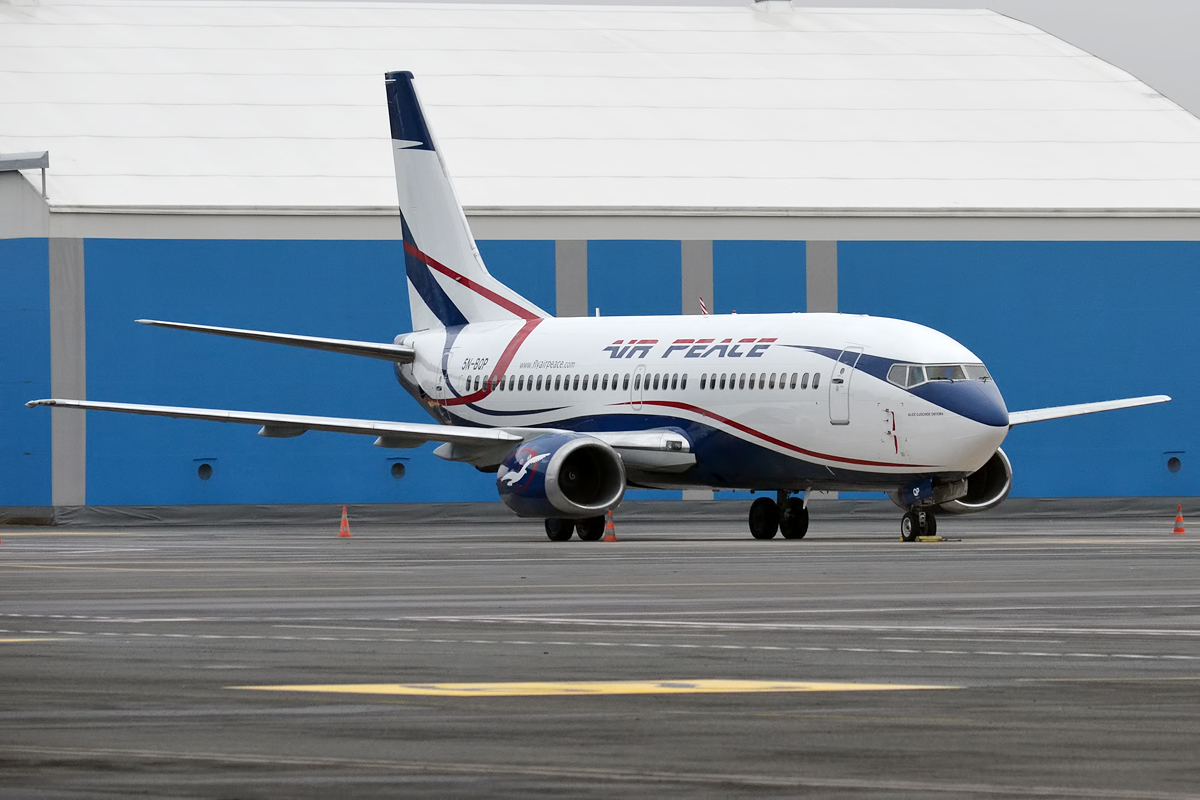
The 25% reduction in air travel fees marks a pivotal shift, unlocking significant investment opportunities in Africa’s aviation sector. Lower operational costs translate into enhanced profitability potential for airlines, encouraging fleet expansion and route diversification. Airlines can leverage these savings to improve service quality while remaining competitive on pricing.
Airports stand to benefit from increased passenger traffic, creating demand for upgraded infrastructure and advanced facilities. Investments targeting terminal modernization, cargo handling capabilities, and digital services will align with this growth trajectory. Enhanced airport efficiency fosters a better travel experience, attracting more carriers and passengers.
Tourism infrastructure development complements aviation growth, as reduced travel costs stimulate inbound and intra-regional tourism. Hotels, resorts, transport services, and entertainment venues become attractive ventures supported by higher visitor numbers.
Key investment areas include:
- Fleet acquisition and airline expansion
- Airport infrastructure upgrades
- Technology-driven passenger services
- Tourism-related real estate and amenities
This evolving landscape cultivates an environment where investors can capitalize on expanding market demand driven by more accessible and affordable air travel.
Exploring Joint Ventures and Airport Modernization Needs: Key Areas for Investment
The announcement that ECOWAS will cut air travel fees by 25% in 2026 presents a pivotal moment for African airlines investment, creating new pathways for collaboration and infrastructure development. Reduced fees place pressure on airlines to optimize operational efficiency through strategic alliances.
1. Airline Collaboration and Joint Ventures
Code-sharing agreements and joint ventures between carriers emerge as essential strategies to lower costs, expand route networks, and maximize aircraft utilization. Such partnerships enable airlines to share resources including maintenance, ground handling, and marketing efforts—translating into cost savings passed onto passengers. Investors focused on African airlines investment should prioritize entities fostering these collaborative models to tap into the growing demand catalyzed by more affordable airfares.
2. Airport Modernization Imperative
Lowered passenger service charges reduce a vital revenue stream for airports within West Africa. To maintain financial sustainability, airport authorities must innovate by enhancing non-aeronautical revenue channels such as retail concessions, parking services, and real estate development. The modernization of airport facilities—spanning digital infrastructure upgrades, improved passenger experience amenities, and cargo handling capacity—aligns with this shift. Investment opportunities abound in airport modernization Africa projects designed to offset fee reductions through diversified income sources while boosting operational efficiency.
The synergy between airline partnerships and airport modernization forms the cornerstone of a robust aviation ecosystem prepared to leverage the benefits of ECOWAS’s fee reduction policy. Investors positioned to support these key areas will contribute significantly to the region’s aviation sector transformation.
Broader Benefits for African Travel and Tourism Industry: Enhancing Competitiveness Through Affordable Air Travel
Reducing airfares by 25% directly addresses one of the primary barriers to African travel growth — the high cost of regional flights. Lower ticket prices will:
- Stimulate intra-African travel, enabling more frequent and affordable movement across West African countries. This increased connectivity strengthens business ties, cultural exchange, and regional tourism circuits.
- Attract greater international tourism inflows by positioning West Africa as a more accessible and competitive destination. Enhanced affordability makes it easier for global travelers to explore the diverse offerings of the region.
- Encourage investments in tourism infrastructure Africa needs to support rising passenger volumes, including hotels, transportation services, and attractions.
The synergy between reduced travel costs and improved infrastructure creates a virtuous cycle, expanding market opportunities for stakeholders throughout the African travel ecosystem. Airlines, airports, hospitality providers, and local economies stand to benefit as demand rises and competitiveness improves on both regional and global stages.
Challenges to Implementation: Navigating Political Considerations for Successful Rollout
The policy challenges ECOWAS faces in implementing the 25% air travel fee cut are substantial. Key among these is the necessity for member state fiscal reforms to align national policies with regional directives. Each country within ECOWAS operates under distinct fiscal frameworks, often reliant on aviation-related taxes as significant revenue sources.
Governments must undertake comprehensive reviews of existing levies and amend or repeal those inconsistent with ICAO guidelines. Resistance may arise due to concerns over short-term revenue losses, requiring strategic negotiation and consensus-building. Political will at the national level is critical; without uniform commitment, disparities in compliance could undermine the initiative’s effectiveness. ECOWAS’s establishment of an oversight committee aims to monitor adherence and provide technical support. Success hinges on member states’ ability to balance fiscal adjustments with broader economic benefits promised by increased air traffic and investment inflows. This coordination reflects the complex intersection of regional integration goals and sovereign policy prerogatives essential for sustainable aviation reform.
Long-Term Vision for Regional Integration Through Aviation: Aligning with Global Standards for Sustainable Development
ECOWAS’s commitment to regional integration West Africa goes beyond the immediate 25% air travel fee reduction planned for 2026. This initiative serves as a foundational step toward ongoing reforms designed to harmonize the region’s aviation sector with International Civil Aviation Organization (ICAO) standards. Aligning regulatory frameworks and operational benchmarks with global best practices will enhance West Africa’s competitiveness on the international aviation stage.
Key elements shaping this long-term vision include:
- Sustainable aviation development through environmentally responsible policies, encouraging adoption of greener technologies and efficient airspace management.
- Institutionalizing continuous review mechanisms to assess and update fees, safety standards, and passenger rights in line with evolving global norms.
- Strengthening cross-border cooperation among member states to streamline customs, security protocols, and air traffic management, which fosters seamless intra-regional connectivity.
- Enhancing infrastructure resilience by investing in modern airport facilities capable of supporting increased passenger volumes and facilitating cargo logistics efficiently.
Such strategic alignment benefits African investors by creating a stable, predictable investment climate anchored in transparency and compliance. The anticipated regulatory consistency reduces operational uncertainties, allowing aviation businesses and ancillary sectors like tourism and logistics to scale confidently. ECOWAS’s proactive stance not only addresses cost barriers but also positions West Africa as a critical hub in global air transport networks.
Adopting a forward-looking approach ensures that ECOWAS to cut air travel fees by 25% in 2026 what this means for Africa investors is part of a broader transformation—one rooted in sustainable growth, regional cohesion, and enhanced economic integration.
Conclusion
The decision by ECOWAS to cut air travel fees by 25% in 2026 marks a crucial moment for the future of African investment and air travel affordability in Africa. This strategic reform promises to unlock significant economic potential across West Africa by making air transport more accessible, stimulating demand, and fostering sustainable economic growth.
Investors stand to benefit from a transformed aviation landscape characterized by:
- Lower operational costs for airlines and airports
- Enhanced regional connectivity
- Expanding tourism and commerce sectors
- Opportunities in airport modernization and joint ventures
This initiative signals a strong commitment to aligning with global standards, positioning West Africa as an attractive market for Africa investors seeking long-term value creation. Engagement with these emerging opportunities will be crucial for capitalizing on the region’s evolving aviation ecosystem and its ripple effects throughout the broader economy.
We encourage investors to proactively explore this dynamic sector as it sets a new course towards integrated growth and competitive advantage in the global marketplace.
FAQs (Frequently Asked Questions)
What is the ECOWAS initiative to cut air travel fees by 25% in 2026?
ECOWAS has announced a significant reform to reduce passenger service and security charges on air travel by 25%, effective from January 1, 2026. This initiative aims to eliminate taxes not aligned with ICAO guidelines, including certain security and tourism levies, to make air travel more affordable across West Africa.
Why is there a need to reform air travel fees in West Africa?
Air travel fees in West Africa are among the highest globally due to non-compliance with ICAO standards and added levies like passenger service charges and security fees. These high costs hinder regional mobility and economic growth. Reforming these fees will align charges with international standards, reduce costs, and promote sustainable aviation development.
How will the 25% fee reduction impact economic growth in West Africa?
Lowering air travel fees is expected to reduce ticket prices, increasing passenger demand by up to 40%. This surge in air travel could boost regional trade, mobility, and tourism, generating an estimated $500 million in additional revenue within the first year of implementation, thereby stimulating economic growth across West African member states.
What investment opportunities does the ECOWAS air travel fee cut create for African investors?
The fee reduction fosters a more favorable investment climate in aviation-related sectors such as airlines, airport infrastructure, and tourism facilities. Investors are encouraged to explore joint ventures like airline code-sharing and airport modernization projects that capitalize on increased passenger traffic and aim to diversify revenue streams beyond aeronautical charges.
What steps are being taken to ensure harmonization and compliance across ECOWAS member states?
ECOWAS Air Transport Ministers endorsed the reform in November 2024, setting goals for harmonized aviation taxes among member states. An oversight committee will be established by mid-2025 to monitor compliance and progress, ensuring that all countries amend their fiscal policies accordingly for successful implementation of the fee cuts.
How does this reform align with broader regional integration and sustainable development goals?
The air travel fee reduction is part of a long-term vision for regional integration through aviation. By aligning with global ICAO standards and promoting affordable air travel, ECOWAS aims to enhance West Africa’s competitiveness internationally while supporting sustainable economic growth and fostering continuous reforms within the aviation sector.


